
Baltimore Museum of Art: World-Class Collections in a City That Loves Art
The Cone Collection and the Matisse Legacy
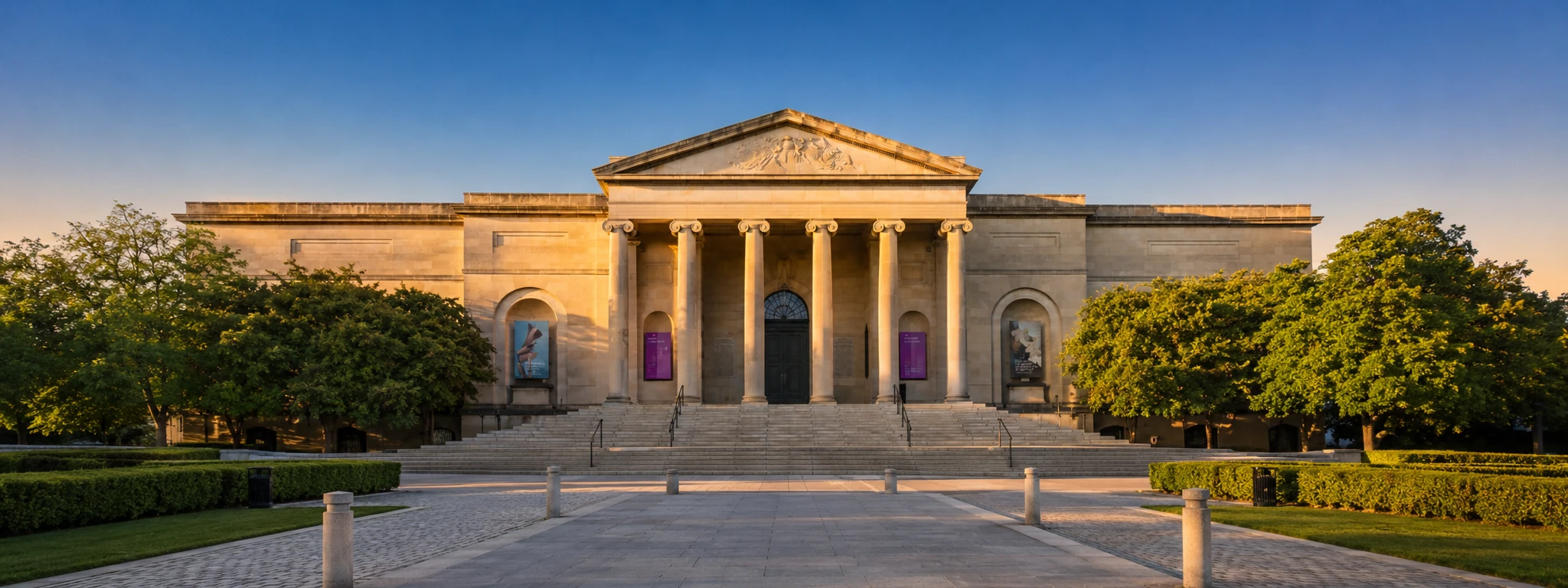
The Baltimore Museum of Art occupies an elegant building near Johns Hopkins University, its classical facade giving way to contemporary additions that reflect the institution's commitment to both honoring tradition and embracing innovation. Since opening in 1914, the BMA has grown into one of America's most significant art museums, holding more than 95,000 objects spanning seven millennia of human creativity. Yet what truly distinguishes this Baltimore institution is its accessibility. General admission remains free year-round, embodying the belief that great art should be available to everyone, not just those who can afford entry fees.
Walking through the BMA's Cone Wing means experiencing Matisse's artistic evolution across decades. You see early works showing him finding his voice, revolutionary Fauvist paintings that shocked the art world with their bold color and radical simplification, masterpieces from his Nice period, and late cut-outs created when age and illness prevented him from painting but couldn't stop him from making art. The collection includes the iconic "Large Reclining Nude," a painting that demonstrates Matisse's genius for combining sensuality with formal rigor, and numerous smaller works that reveal his constant experimentation.
The Cone collection extends beyond Matisse to include important works by Picasso, Cézanne, Gauguin, van Gogh, and other modernist masters. The sisters collected with discernment and courage, trusting their own judgment rather than following fashion. Their legacy transformed the Baltimore Museum of Art from a regional institution into a place where people travel internationally to see particular works.
Collections That Span Human History
While the Cone Collection draws many visitors to Baltimore, the museum's holdings extend far beyond modern European art. The African Art collection, recognized as one of the finest in America, includes works from across the continent spanning centuries. The galleries display everything from ancient Benin bronzes to contemporary African art, challenging Western assumptions about African artistic traditions and demonstrating the sophistication and diversity of African creative achievement.
Contemporary art receives major attention at the BMA, with galleries devoted to recent work and special exhibitions highlighting emerging artists. The museum has made a particular commitment to collecting and displaying contemporary work by artists of color, recognizing that art institutions have historically marginalized these voices. This commitment manifests not just in acquisitions but in how works are displayed and interpreted, with wall text and programming that provide proper context and challenge viewers to engage seriously with art they might otherwise dismiss or overlook.
The Asian Art collection offers another journey across continents and centuries. Chinese ceramics demonstrating technical mastery achieved over thousands of years, Japanese prints showing the sophistication of popular art forms, and Indian sculptures embodying religious and philosophical concepts through material form, all these works invite Baltimore visitors to understand artistic traditions beyond the Western canon.
Architecture and Garden Spaces
The Baltimore Museum of Art's building itself tells stories about how museums evolve. The original neoclassical structure, designed by John Russell Pope, reflects early twentieth-century ideas about what an art museum should look like: imposing, temple-like, declaring through architecture that art is serious and important. Later additions, including the contemporary wing, represent different attitudes, emphasizing accessibility and integration with the surrounding landscape rather than architectural intimidation.
The museum's expansion and renovation projects have carefully balanced preservation of historic spaces with creation of new galleries meeting contemporary standards for climate control, lighting, and accessibility. Walking through the building, you move between spaces with different characters, from the formal galleries of the original building to the light-filled contemporary spaces where modern works seem to float in carefully controlled environments.
Programs and Educational Initiatives
Beyond simply displaying art, the Baltimore Museum of Art offers extensive programs designed to make art accessible and meaningful to diverse audiences. Gallery talks led by curators provide a deeper understanding of specific works or collections. Art-making workshops invite participants to engage with artistic processes directly. Film screenings, concerts, and performances create connections between visual art and other creative forms.
The museum's education programs serve Baltimore schools, bringing students to the galleries and sending museum educators into classrooms. These programs recognize that for many young people, the museum represents their first exposure to original artworks, and that early experiences with art can shape lifelong relationships with creative expression.
The museum also hosts community events that bring diverse Baltimore residents together around art. These events might focus on particular cultural celebrations, invite community groups to use museum spaces, or create programs specifically addressing concerns and interests of neighborhoods that might feel excluded from traditional museum audiences.
Special Exhibitions and Rotating Displays
While the permanent collection provides the foundation of the Baltimore Museum of Art experience, special exhibitions bring new perspectives and works not normally available in Baltimore. These temporary exhibitions might focus on particular artists, explore specific themes or periods, or present work by contemporary artists whose careers are still developing.
Rotating displays within the permanent collection galleries keep the experience fresh for regular visitors. Works from storage get displayed, allowing the museum to share more of its holdings. Thematic groupings change, creating new conversations between objects. These rotations mean that even Baltimore residents who visit frequently encounter new works and perspectives.
The BMA in Baltimore's Cultural Landscape
The Baltimore Museum of Art anchors the northern end of the city's cultural corridor, creating a destination district around art and education. Johns Hopkins University sits immediately adjacent, with the intellectual energy and youthful population of a major research university flowing into the museum. The relationship between the university and the museum benefits both institutions, with students using galleries for study and the museum drawing on university expertise for programs and research.
Other Baltimore cultural institutions, from the Walters Art Museum downtown to smaller galleries and artist spaces throughout the city, create an ecosystem where the BMA plays a leading role. The museum's stature and resources allow it to mount exhibitions and programs that smaller institutions cannot, while the diversity of Baltimore's art scene ensures that the BMA doesn't monopolize attention.
The BMA in Baltimore's Cultural Landscape
In an era when cultural institutions increasingly serve primarily affluent audiences who can afford rising admission costs, the Baltimore Museum of Art's commitment to free access represents something valuable and increasingly rare. The museum insists that great art belongs to everyone, that exposure to human creativity across cultures and centuries enriches lives regardless of education or income level, and that a democratic society requires institutions that welcome all citizens.
The quality of the collections ensures that this philosophical commitment doesn't compromise artistic standards. The BMA holds works that would justify much higher admission fees, but chooses accessibility over revenue. This choice honors both the art and the audience, trusting that Baltimore residents and visitors will value what the museum offers without price barriers determining who can enter.
Walking through these galleries, surrounded by objects representing humanity's creative achievements across seven millennia, you experience something larger than any individual life. The Matisse paintings show one man's lifetime pursuit of color and form. The African sculptures embody entire cultures' relationships with the sacred and the beautiful. The contemporary works grapple with questions about identity, society, and meaning that define our current moment. Together, these works create a conversation across time and space, a conversation that the Baltimore Museum of Art invites everyone to join.
Driving/Walking Directions From A-Plus IT Group, Inc | Managed IT Services and IT Support Company in Baltimore | Baltimore Local IT Company to Baltimore Museum of Art
Driving Directions to Fort McHenry National Monument