
Lexington Market: Baltimore's Historic Food Hall
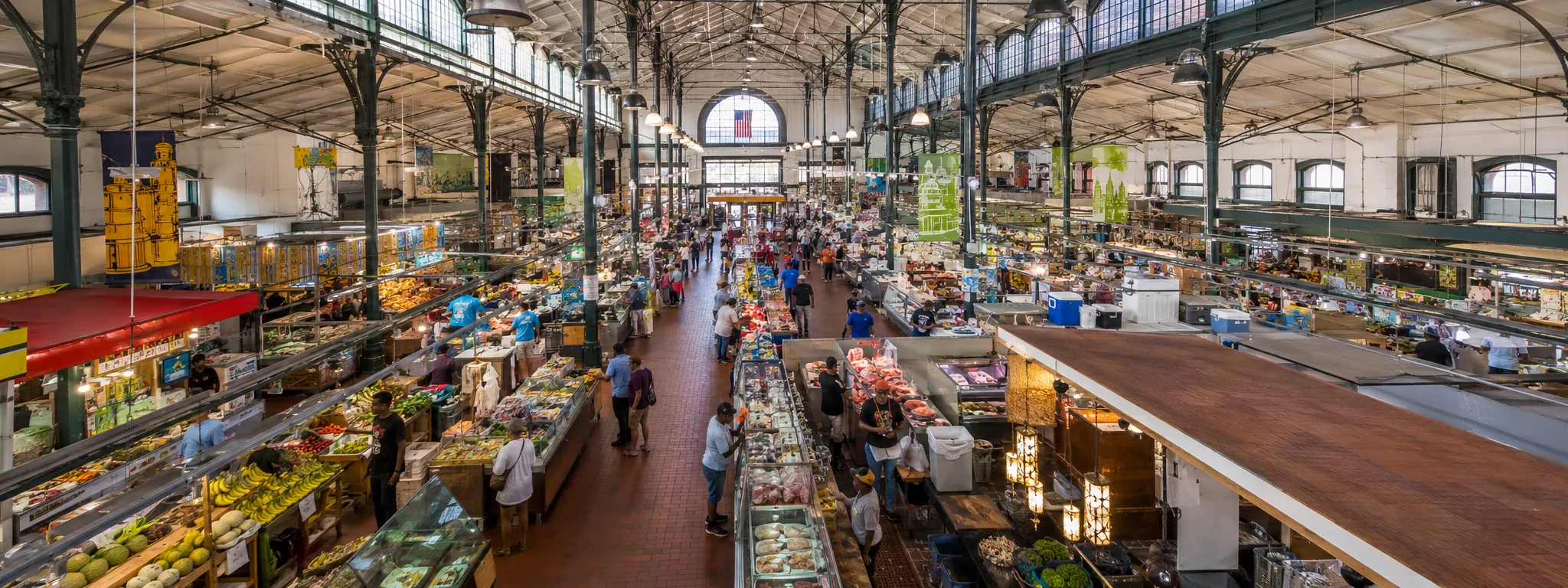
A Living Piece of Baltimore History
Walking through the doors of Lexington Market feels like stepping into the culinary soul of Baltimore. This isn't just another food hall that appeared overnight to capitalize on trendy dining culture. For more than two centuries, this Baltimore institution has served as the beating heart of the city's food scene, adapting and evolving while maintaining its essential character as a gathering place for locals and visitors alike.
The story of Lexington Market begins in 1782, making it one of the oldest continuously operating public markets in the United States. When General John Eager Howard donated the land for a public market, Baltimore was still a young city, finding its identity. The market grew alongside Baltimore, weathering fires, economic depressions, and social change while remaining a constant in the lives of residents who have shopped here for generations.
The market you see today represents a careful balance between honoring that deep history and meeting modern expectations. After a complete renovation that finished in 2022, Lexington Market reopened with a fresh design that pays respect to its roots while creating a comfortable, contemporary space. The transformation hasn't erased the market's character. Instead, it has amplified what made this Baltimore landmark special in the first place: authentic local vendors, fresh ingredients, and the kind of genuine human connection that happens when people gather around good food.
What Makes Shopping Here Different
Unlike shopping at a typical grocery store or dining at a standard restaurant, visiting Lexington Market in Baltimore means engaging directly with the people who prepare and sell your food. The vendors here aren't corporate employees following scripts. They're small business owners, many of whom have family histories tied to this market spanning decades. When you ask about the best way to prepare the rockfish you just purchased, you're talking to someone who truly knows.
The variety at Lexington Market reflects Baltimore's diverse culinary landscape. You'll find stalls selling fresh seafood pulled from the Chesapeake Bay that morning, meat counters where butchers still cut to your specifications, and produce vendors offering seasonal fruits and vegetables. The prepared food options span cultures and cuisines, from classic Maryland crab cakes to West African dishes, from traditional Jewish deli fare to contemporary fusion concepts.
Faidley's Seafood deserves special mention. This Baltimore institution within an institution has operated at Lexington Market since 1886, earning a reputation that extends far beyond Maryland. Their crab cakes, made from jumbo lump crab meat with minimal filler, have achieved legendary status. Politicians, celebrities, and food critics have all made pilgrimages to this simple counter, but locals know the real appeal: consistently excellent seafood prepared the same way for generations.
The Experience of Visiting
Arriving at Lexington Market, you'll find yourself in downtown Baltimore at 400 West Lexington Street, easily accessible whether you're coming by car, public transit, or on foot from nearby neighborhoods. The building's modern facade might surprise first-time visitors expecting something more antiquated, but step inside and the energy feels timeless.
The open layout encourages wandering. You might start by grabbing coffee at one vendor, then discover a bakery you hadn't noticed before, followed by a conversation with a spice merchant about the origins of their various blends. This kind of serendipitous exploration defines the market experience. Unlike malls or food courts designed for efficiency, Lexington Market in Baltimore rewards those who take their time and remain open to discovery.
Lunch crowds pack the communal seating areas, creating a genuine cross-section of Baltimore life. Business people from nearby offices sit beside construction workers, students, tourists, and longtime residents. The shared tables force interaction in a city where people often remain isolated in their own bubbles. You might end up talking to a stranger about their food choice and leave with a recommendation for your next visit.
Beyond the Market Itself
Lexington Market serves as an excellent anchor point for exploring downtown Baltimore. The area surrounding the market has undergone significant revitalization in recent years, with new businesses and renewed energy breathing life into historic buildings. University of Maryland's BioPark campus lies just blocks away, bringing researchers and students into the neighborhood.
Heading west from the market brings you into the Poppleton neighborhood, where community gardens and new development projects reflect ongoing efforts to strengthen Baltimore's west side communities. East takes you deeper into downtown, toward the central business district and the historic neighborhoods of Mount Vernon and Charles Village.
Practical Tips for Your Visit
Timing your visit to Lexington Market can enhance the experience significantly. The Baltimore landmark opens early, and morning visits offer the advantage of seeing vendors at their freshest, with full selections before the lunch rush depletes popular items. If you're shopping for ingredients to cook at home, morning visits make the most sense. The seafood arrives fresh, produce gleams with dewdrops, and vendors have time for unhurried conversations about their products.
Parking downtown can challenge unfamiliar visitors, but several lots serve the market, with some vendors offering parking validation. The Baltimore Metro's Lexington Market station literally connects to the building, making public transit the easiest option for many visitors. Several bus lines also stop nearby, and the market's central location makes it accessible from most Baltimore neighborhoods within twenty minutes.
Why This Baltimore Landmark Matters
In an era when so much of American food culture has become homogenized, when the same chain restaurants appear in every city and grocery stores stock identical products coast to coast, places like Lexington Market represent something increasingly rare. This Baltimore institution proves that local food systems can thrive in urban environments, that small vendors can compete and succeed, and that communities still value gathering spaces built around authentic human interaction.
Visitors to Baltimore often seek authentic experiences that go beyond typical tourist attractions. Lexington Market delivers that authenticity without trying. Nothing here exists for show or Instagram appeal. Everything serves the practical purpose of feeding Baltimore and bringing people together over food. That genuine quality, more than any marketing campaign or renovation, explains why this market has survived and thrived for over 240 years.
The market continues evolving as Baltimore changes. New vendors bring fresh ideas while respecting the traditions that made this space special. The facilities have been modernized without sacrificing character. And through it all, Lexington Market remains what it has always been: the place where Baltimore comes to eat, shop, and connect with the essential pleasure of good food shared in good company.
Special Events, Access and Visiting
Throughout the year, the tower and its park host events that activate the space and draw people throughout Baltimore to this historic site. Heritage festivals celebrate the neighborhood's diverse population and history. Concerts and performances use the tower as a dramatic backdrop, its height adding grandeur to outdoor stages. Occasionally, the tower opens for rare climbing opportunities, with long lines forming as Baltimore residents are eager to ascend the historic staircase. These events breathe life into the monument, ensuring it remains part of the city's active cultural landscape rather than merely a passive memorial.
The park surrounding the tower remains open throughout daylight hours, allowing visitors to Baltimore to view the exterior and read interpretive information anytime. The tower itself typically remains closed except during special events, as the staircase wasn't designed for heavy public traffic. Those interested in climbing should watch for announced open house dates on Baltimore city websites and cultural calendars. The site sits within walking distance of other downtown Baltimore attractions, making it easy to incorporate into broader explorations. Street parking and public transportation serve the area adequately, though the neighborhood's density means patience may be required.
Driving/Walking Directions From A-Plus IT Group, Inc | Managed IT Services and IT Support Company in Baltimore | Local IT Company in Baltimore to Lexington Market
Driving Directions to Washington Monument