
Washington Monument: Baltimore's First Tribute to the First President
Why Baltimore Built First
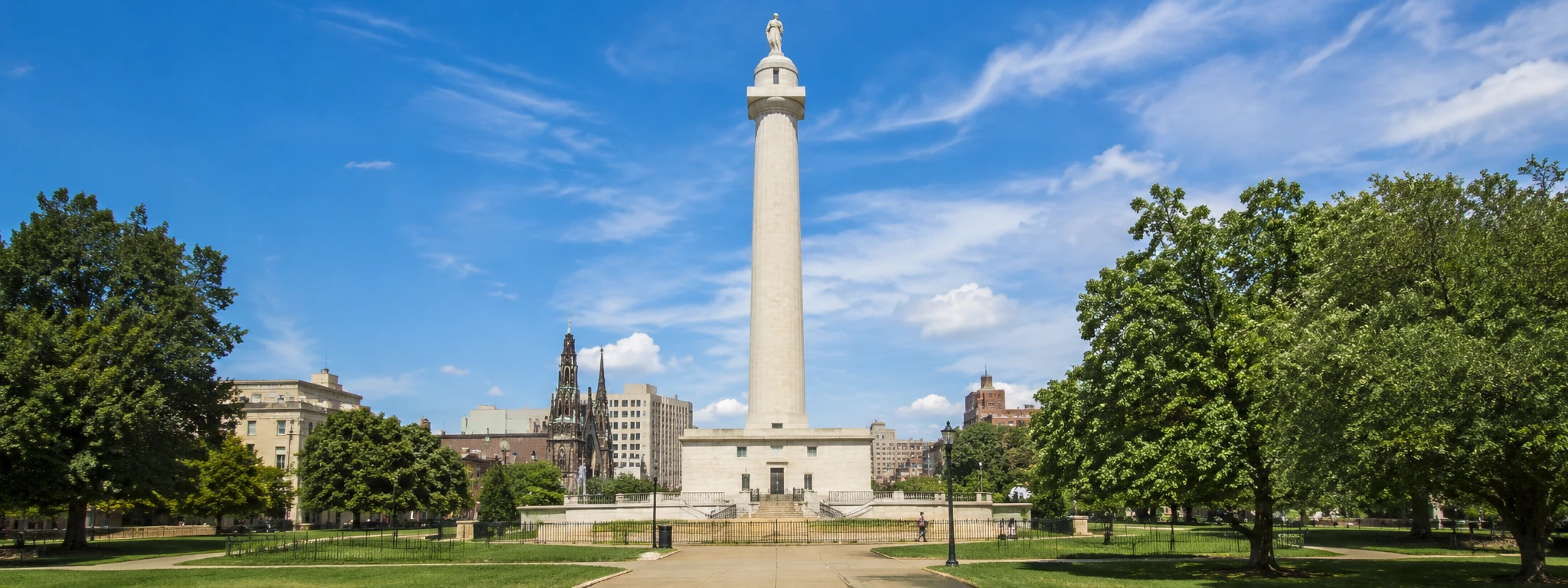
The Washington Monument rises above Baltimore's Mount Vernon neighborhood like a dignified sentinel watching over the city. This isn't the famous obelisk that most Americans picture when they hear "Washington Monument." Baltimore's version predates that more famous structure by several decades, earning it the distinction of being the first major monument dedicated to George Washington anywhere in the United States. Completed in 1829, this architectural achievement continues to draw visitors who want to experience both its historical significance and the spectacular views from its summit.
Understanding why Baltimore claimed this particular first requires looking at the young nation's relationship with its founding father. When George Washington died in 1799, the country mourned collectively. Various cities and towns discussed ways to honor his memory, but Baltimore acted decisively. Citizens formed the Washington Monument Committee in 1809, pledging to create a memorial worthy of Washington's legacy.
Construction began in 1815 on land that was then at the edge of Baltimore's developed area. The project faced typical delays and funding challenges, but Baltimore's commitment never wavered. When the monument finally opened in 1829, the city celebrated with enormous pride. Baltimore had created the nation's first major Washington monument, establishing Mount Vernon as a prestigious neighborhood and setting a standard that other cities would follow.
The Structure and Its Details
Standing 178 feet tall, the Baltimore monument commands attention through simple elegance rather than overwhelming size. The white marble column rises from a square base, tapering slightly as it climbs toward the sky. At the summit, a sixteen-foot statue of George Washington by Italian sculptor Enrico Causici depicts the president in the act of resigning his military commission, a moment that demonstrated Washington's commitment to civilian rule over military power.
The interior staircase spirals upward through 228 steps, a climb that challenges but rewards those willing to make the ascent. Unlike modern structures with elevators and air conditioning, this monument requires physical effort to reach the top. That effort connects visitors to the experience of nineteenth-century Baltimore residents who made the same climb, experiencing the same narrow passages and anticipating the same payoff at the summit.
Small windows punctuate the ascent at intervals, offering glimpses of Baltimore as you climb higher. These brief views build anticipation while providing necessary rest points. The marble steps show wear from nearly two centuries of footsteps, each depression in the stone representing countless visitors who have made this journey before.
The View That Makes the Climb Worthwhile
Reaching the monument's observation deck transforms your understanding of Baltimore's geography and layout. From this vantage point, the city spreads in all directions, revealing patterns and connections invisible from street level. The Inner Harbor glitters to the south, its distinctive shape clearly visible. On clear days, you can spot downtown landmarks, the distinctive rooflines of neighborhoods like Fells Point and Canton, and even glimpses of the Chesapeake Bay beyond.
The weather affects the view dramatically. Summer visits offer maximum visibility but can be hot in the enclosed stairwell. Fall brings spectacular foliage colors that transform Baltimore's tree-lined streets into rivers of red and gold. Winter occasionally dusts the city with snow, creating a postcard-perfect scene. Spring weather in Baltimore can be unpredictable, but clear spring days offer ideal viewing conditions with comfortable temperatures.
Mount Vernon's Cultural Context
Lexington Market serves as an excellent anchor point for exploring downtown Baltimore. The area surrounding the market has undergone significant revitalization in recent years, with new businesses and renewed energy breathing life into historic buildings. University of Maryland's BioPark campus lies just blocks away, bringing researchers and students into the neighborhood.
Heading west from the market brings you into the Poppleton neighborhood, where community gardens and new development projects reflect ongoing efforts to strengthen Baltimore's west side communities. East takes you deeper into downtown, toward the central business district and the historic neighborhoods of Mount Vernon and Charles Village.
Practical Tips for Your Visit
The Washington Monument anchors Mount Vernon, Baltimore's premier cultural district. The neighborhood that grew up around the monument reflects the aspirations and achievements of nineteenth-century Baltimore at its peak. Wealthy merchants and civic leaders built elegant homes surrounding the square, creating an enclave of refinement and culture that persists today.
The neighborhood's architectural integrity remains largely intact, making Mount Vernon one of the most cohesive historic districts in any American city. Unlike areas where development has created jarring juxtapositions of old and new, Mount Vernon maintains its character through careful preservation and thoughtful new construction that respects existing context.
Charles Street runs through Mount Vernon, creating a spine of restaurants, shops, and cultural venues that serve both residents and visitors. The street life here differs from downtown Baltimore's business district or the tourist-focused Inner Harbor. Mount Vernon attracts people drawn to culture, history, and the kind of urban neighborhood where walking remains the primary mode of transportation.
The Monument's Role in Baltimore Life
For Baltimore residents, the Washington Monument serves as more than a tourist attraction. The surrounding square hosts community events throughout the year, from outdoor concerts to art festivals to impromptu gatherings of friends enjoying pleasant weather. Dog walkers circuit the paths daily, children play on the lawn, and students from nearby Maryland Institute College of Art sketch the monument and the square's features.
The monument also serves as a meeting point and navigation reference. Directions in Baltimore often reference the Washington Monument as a landmark: "Meet me at the Washington Monument" requires no further explanation for anyone familiar with the city. That role as a shared reference point helps create community cohesion in a large urban environment.
Visiting Practical Information
The monument welcomes visitors Wednesday through Sunday, with specific hours varying by season. Baltimore's monument charges a modest admission fee that supports ongoing maintenance and preservation. The climb requires reasonable fitness, as there's no elevator option. The narrow spiral staircase means you'll encounter other visitors coming down while you ascend, requiring coordination and patience.
Comfortable shoes matter more than fashion when planning to climb the monument. The marble steps can be slippery, and proper footwear makes the ascent safer and more comfortable. Bringing water makes sense, especially during warm weather, though you'll need to carry it with you throughout the climb.
Parking in Mount Vernon can be challenging, but several garages serve the area, and street parking becomes available with patience. Public transit provides good access, with several bus lines stopping near the monument and the Cultural Center Light Rail station within walking distance.
Preservation and Ongoing Significance
Maintaining a nearly 200-year-old structure requires constant attention and significant resources. Baltimore has invested in preserving the monument through multiple restoration projects, addressing everything from structural stability to marble conservation to visitor safety improvements. These efforts ensure that future generations can experience the monument much as nineteenth-century visitors did.
The monument achieved National Historic Landmark status, recognizing its significance to American history and architecture. This designation brings both honor and responsibility, ensuring that any changes or restoration work meet strict standards that preserve the monument's historical integrity.
The monument tells multiple stories simultaneously: the story of George Washington and early American efforts to honor the founding generation, the story of Baltimore's ambition and civic pride, the story of nineteenth-century architecture and urban planning, and the ongoing story of a living neighborhood that values its history while embracing the present. Standing at the summit, looking out over Baltimore in all directions, these layers of meaning become tangible, connecting you to centuries of visitors who stood in the same spot contemplating the same essential questions about memory, honor, and the relationship between a city and its landmarks.
Driving/Walking Directions From A-Plus IT Group, Inc | Managed IT Services and IT Support Company in Baltimore | IT Company in Baltimore to Washington Monument
Driving Directions to Edgar Allan Poe House & Museum