
Server Builds Baltimore
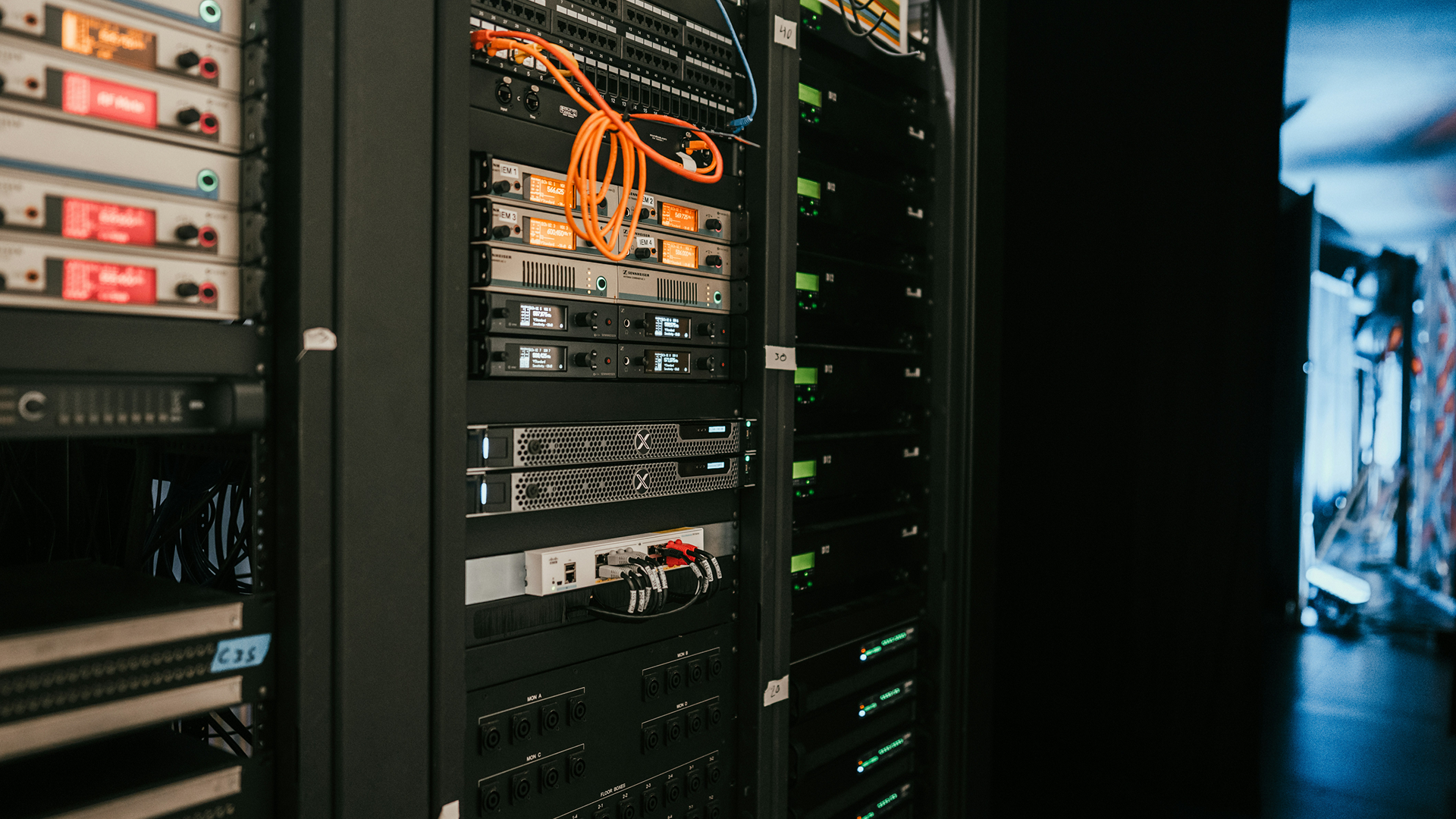
A Properly Built Server Changes How Your Business Runs
A lot of businesses across Baltimore are running on servers that were set up years ago and have been patched and expanded well past what they were originally designed to handle. Performance slows during peak hours. Storage is always nearly full. There is no redundancy, so one hardware failure can take the entire operation offline until someone can get on-site.
We help businesses in Baltimore get off aging or improperly configured infrastructure by building servers scoped to their actual workload, set up with the right storage architecture, and configured with monitoring so a hardware issue does not turn into a full day of unplanned downtime.
What a Properly Built Server Does for Your Operations
How We Approach Every Server Build
We approach every server build with your specific workload, team size, and growth plans in mind before a single component is ordered or a single screw is turned.
Hardware Specification
We assess your applications, number of users, and data requirements to recommend the right processor, memory, and storage so the server is neither overspent nor underpowered for your workload.
Storage and RAID
We configure RAID arrays based on your redundancy needs so that a single drive failure does not take your data offline or require emergency intervention during business hours.
Virtualization
We set up VMware or Hyper-V environments so you can run multiple isolated workloads on one physical machine, improving resource use and simplifying future backup and recovery.
Deployment and Integration
We coordinate server deployments alongside other IT projects, handling the configuration, network integration, data migration, and final checks needed before the new infrastructure is handed over to your team.

















When an Undersized Server Affects Your Team Who Uses It
Shared drives take longer to load. Applications that used to open quickly now take noticeably longer. The slowness becomes a normal part of the workday without anyone being able to pinpoint exactly why. When a server is undersized or running past its useful life, the performance issues affect every person who depends on it.
For businesses in healthcare, legal, or financial services in Baltimore, the impact goes beyond slow performance. Aging infrastructure without proper redundancy or security configurations can create compliance exposure. Requirements like HIPAA and PCI apply regardless of how old the hardware is, and an outdated server setup is not an acceptable reason for falling short of those standards.
Why Choose Our Server Build Services?
A server build involves more than purchasing hardware and connecting it to the network. As a local IT support company, we review your current infrastructure, how your team accesses shared resources, which applications you rely on, and where your business is headed before anything is ordered or configured.
The server we built is shaped by that review, not by a default configuration. After deployment, as your managed IT provider, we set up monitoring and provide ongoing IT support so your infrastructure stays reliable and the work your team depends on keeps running the way it should.
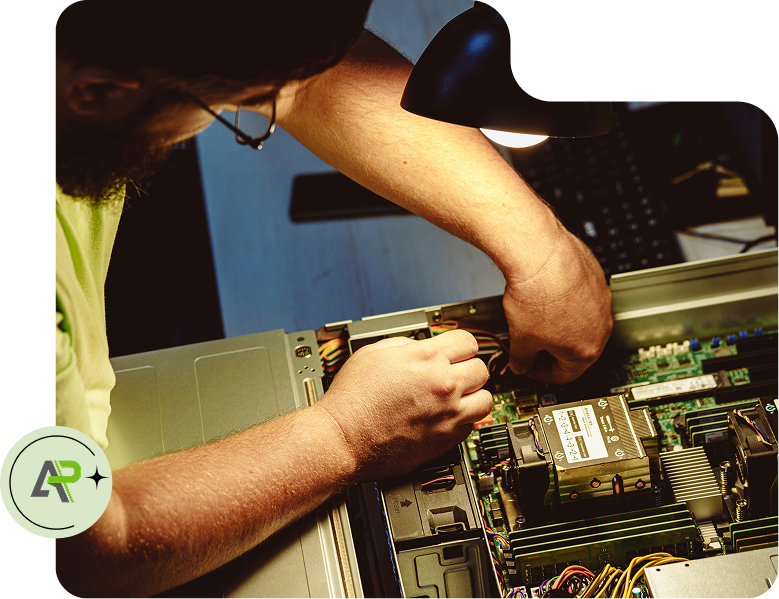
How Server Builds Improve Performance and Reduce IT Headaches
When staff try to access shared files or run applications on an undersized server, slowdowns become a daily frustration. A server sized correctly for your workload helps your team work at the pace the business actually needs.
Businesses that keep patching storage onto an old server eventually run into a wall. Server builds include properly configured RAID arrays and scalable storage planning so businesses in Baltimore have room for data growth without emergency fixes.
A server with no redundancy means one failed drive can take critical data offline. Server builds include RAID configurations and UPS protection, and we pair every build with a backup and disaster recovery setup to reduce exposure from hardware failures or power events.
Servers that were never properly documented or configured create headaches for anyone who has to support them later. Our server builds come fully configured, documented, and set up with remote monitoring, giving ongoing server support a clear picture of the environment and what is running.
Frequently Asked Questions About Server Builds
What is a server build?
A server build is the process of selecting, assembling, and configuring server hardware to meet your specific business requirements. This includes choosing the right processor, memory, and storage, then setting up the operating system, network connections, and monitoring. We handle server builds for businesses in Baltimore from initial specification through deployment so the finished system is correctly sized for how your team actually works.
Do I need a physical server, or should I use cloud infrastructure instead?
It depends on your workload, compliance requirements, and how your team accesses data. Some businesses are better served by on-premise servers due to performance needs or compliance mandates, while others benefit from a hybrid approach. We help evaluate both and can support either direction, including cloud services if a hybrid or fully cloud setup makes more sense for your business.
How long does a server build typically take?
The timeline depends on build complexity, hardware availability, and the scope of any data migration. We set realistic expectations up front and plan deployments around your schedule to minimize disruption to daily operations.
What is RAID, and does my business need it?
RAID stands for Redundant Array of Independent Disks. It spreads data across multiple drives, so the server keeps running even if one drive fails. Most businesses that rely on a server for shared files or applications benefit from some form of RAID. We recommend and configure the right RAID level based on your performance and redundancy needs.
How often should a business replace its server?
Most servers have a practical lifespan of five to seven years, though this varies based on workload and maintenance. Performance degradation and increasing failure frequency are common signs it is time for a new build. We assess your current server so you understand where you stand before making any decisions.